


Website design and development encompasses the planning, creation, and maintenance of websites. It involves various elements such as layout, color scheme, typography, imagery, navigation, and functionality to create an engaging and user-friendly online experience.
website design and Development using keys
Here 24by7 supports are using some key points about website design
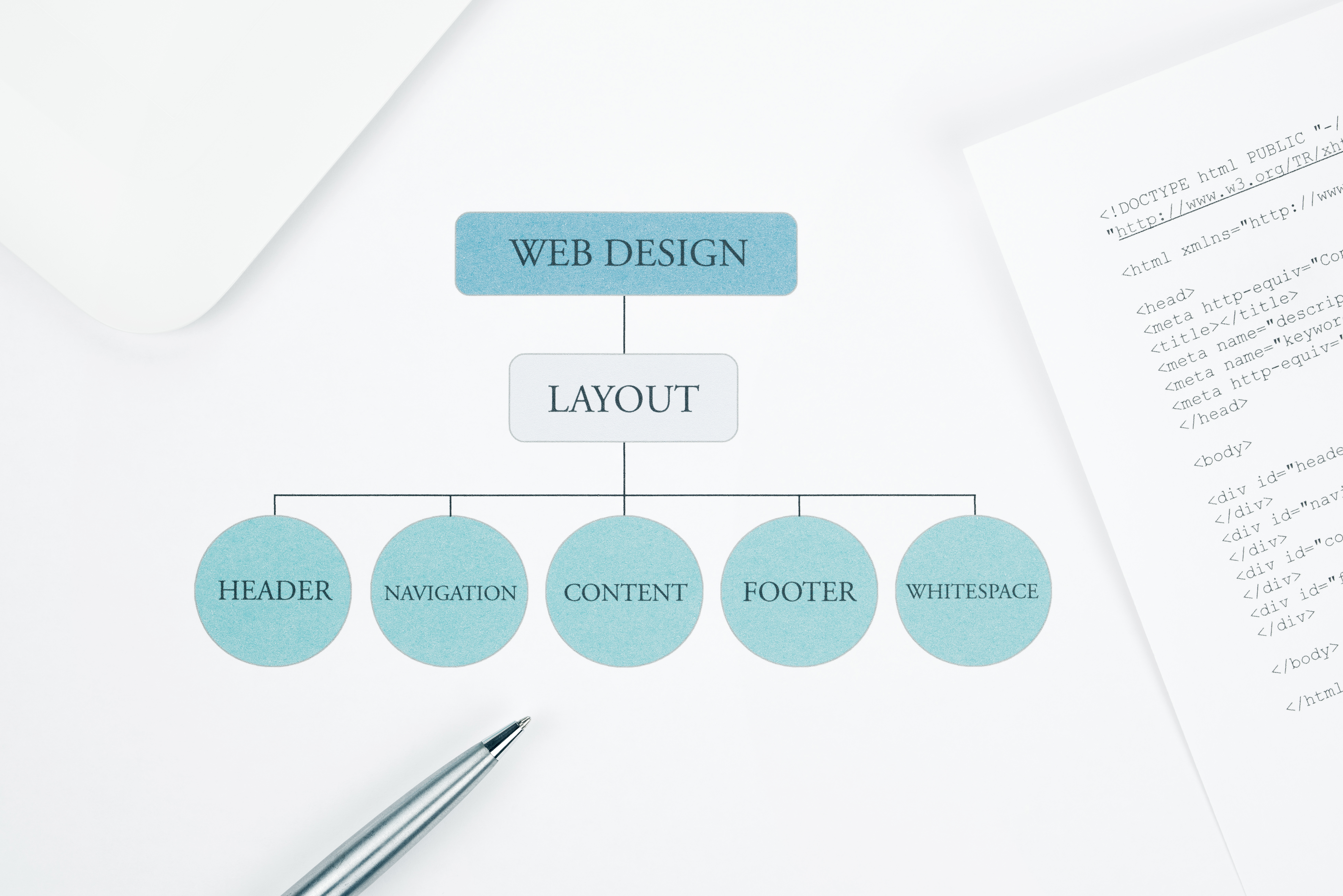
- Purpose and Audience: Understanding the purpose of the website design and Development (e.g., informational, e-commerce, portfolio) and identifying the target audience helps in designing a website that meets the specific needs and expectations of users.
- Responsive Design: website design and Development are responsive ensures they adapt and display correctly on different devices and screen sizes, providing a consistent experience across desktops, tablets, and smartphones.
- Visual Elements:
- Layout: Organizing content and elements in a logical and intuitive manner, considering factors like hierarchy, balance, and spacing.
- Color Scheme: Choosing colors that reflect the brand identity, convey the right emotions, and ensure readability and accessibility.
- Typography: Selecting fonts that are easy to read, consistent with the brand, and complement the overall design aesthetic
- Navigation: Creating clear and intuitive navigation menus and pathways that allow users to easily find information and navigate between different sections of the website.
- Content: website design and Development Developing high-quality and engaging content, including text, images, videos, and interactive elements, that effectively communicates the message and engages visitors.
- User Experience (UX) Design: Focusing on creating a positive user experience by optimizing usability, accessibility, speed, and interactivity to keep users engaged and satisfied.
- Search Engine Optimization (SEO): Implementing SEO best practices such as optimizing meta tags, using relevant keywords, creating sitemaps, and improving page load speed to enhance search engine visibility and rankings.
- Accessibility: Ensuring that the website is accessible to users with disabilities by following accessibility standards, providing alternative text for images, using accessible color contrasts, and implementing keyboard navigation options.
- Maintenance and Updates: Regularly updating and maintaining the website to keep content fresh, address security vulnerabilities, and incorporate new features or improvements based on user feedback and analytics.
- Mobile-Friendly Design: Given the increasing use of mobile devices, designing mobile-friendly websites with fast load times, touch-friendly elements, and simplified navigation is essential for a seamless user experience.
read morehttps://www.365adminsupport.com/
- Strategic Planning and Consultation:
- User Persona Development: Creating user personas based on demographic data, behavior patterns, and user goals to tailor website design and content for specific audience segments.
- Conversion Optimization: Implementing strategies such as clear call-to-action (CTA) buttons, optimized forms, and persuasive messaging to increase user engagement and conversions.
- Accessibility Compliance: Ensuring website accessibility for users with disabilities by adhering to WCAG (Web Content Accessibility Guidelines) standards and usability best practices.
- Custom Website Design:
- Interactive Prototyping: Creating interactive prototypes or mockups to visualize website layout, navigation flow, and user interactions before development.
- UI/UX Design Trends: Staying updated with latest UI/UX design trends, responsive design principles, and usability testing methodologies to deliver modern and intuitive interfaces.
- Mobile-First Design: Prioritizing mobile responsiveness and designing for smaller screens first, then scaling up to desktops, to optimize user experience across devices.
- Content Development and Optimization:
- SEO Strategy: Conducting keyword research, on-page optimization, and SEO-friendly URL structures to improve organic search rankings and attract targeted traffic.
- Content Management: Implementing content management systems with intuitive editors, version control, and workflow management for efficient content creation, editing, and publishing.
- Multimedia Integration: Incorporating multimedia elements such as videos, images, infographics, and interactive content to enhance engagement and storytelling.
- Front-End Development:
- Cross-Platform Compatibility: Ensuring cross-browser compatibility (Chrome, Firefox, Safari, Edge) and responsive design breakpoints for optimal performance on different devices and browsers.
- CSS Frameworks: Utilizing CSS frameworks (e.g., Bootstrap, Foundation) and grid systems for consistent styling, layout grids, and responsive design patterns.
- Accessibility Enhancements: Implementing ARIA (Accessible Rich Internet Applications) roles, landmarks, and keyboard navigation for improved accessibility and usability.
- Back-End Development and Integration:
- Database Design: Designing efficient database schemas, indexing strategies, and data normalization techniques for scalable and high-performance data storage.
- API Development: Building RESTful APIs (Application Programming Interfaces) for seamless integration with third-party services, data synchronization, and dynamic content updates.
- Content Personalization: Implementing user authentication, session management, and personalized content delivery based on user preferences, behavior, and past interactions.
- E-Commerce Solutions:
- Custom Shopping Cart: Developing custom shopping cart functionality with product catalogs, inventory management, pricing rules, discounts, and cart abandonment recovery features.
- Payment Gateway Customization: Integrating and customizing payment gateways to support multiple payment methods, currencies, and secure transactions.
- Order Fulfillment: Integrating with order management systems, shipping providers, and inventory tracking tools for streamlined e-commerce operations.
- Performance Optimization and Security:
- Performance Monitoring: Implementing performance monitoring tools, A/B testing, and heatmaps to analyze user behavior, optimize page speed, and improve conversion rates.
- Website Security: Conducting regular security audits, vulnerability assessments, and penetration testing to identify and mitigate security risks, malware threats, and data breaches.
- SSL/TLS Implementation: Enabling SSL/TLS encryption for secure data transmission, HTTPS protocol adoption, and building trust with users for secure online transactions.
- Maintenance and Support:
- Backup and Recovery: Implementing automated backups, version control, and disaster recovery plans to protect against data loss, server failures, and website downtime.
- Technical Support Services: Providing ongoing technical support, troubleshooting assistance, and training resources for clients to manage website updates, content changes, and platform upgrades.
- Performance Optimization: Conducting regular performance audits, code reviews, and optimization techniques (e.g., caching, image compression) to maintain website speed, responsiveness, and user experience.
know morehttps://www.365adminsupport.com/services/
Effective website design combines aesthetic appeal with functionality, usability, and performance to create a compelling online presence that engages users and achieves business goals.
